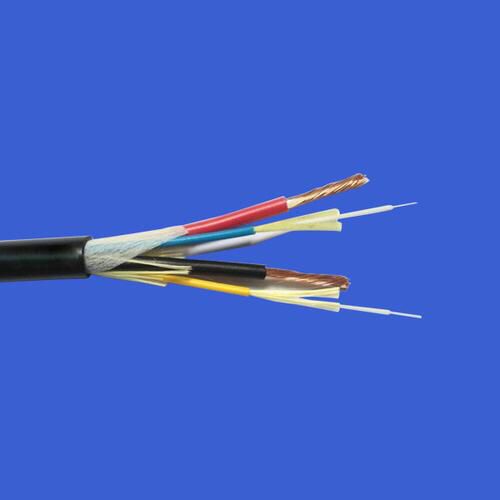
Structured cabling, as defined by the structured wiring standard, provides a standardized and scalable network infrastructure that effectively interconnects equipment rooms, telecommunications rooms, and end-user devices. This system is designed to support high-speed networks by breaking up the network into shorter segments, ensuring that cable lengths are kept short enough to maintain high data rates, as exemplified by the 100-meter limit for horizontal cable wiring in 100BaseT networks. Through an in - depth understanding of the disparities between backbone cabling and horizontal cabling, network planners are capable of optimizing data flow, minimizing costs, and guaranteeing reliable performance across buildings and floors. This guide elaborates on the functionality of each cabling type, its constituent components, and the optimal practices for the implementation of a structured cabling system.
Structured Cabling: Overview and Key Components
Structured cabling is a standardized approach to organizing a building’s wiring infrastructure. Unlike traditional point-to-point setups, it establishes clear wiring standards and a modular framework, enabling efficient network management and future scalability. A structured cabling system is divided into six subsystems, which include the Work Area Subsystem, Horizontal Cabling Subsystem, Backbone Cabling Subsystem, Equipment Room Subsystem, Administration Subsystem, and Building Entrance/Inter-building Subsystem. into 6 key subsections, each serving a specific purpose within the building:
Entrance Facility (EF): The point where external service lines enter the building, connecting them to the structured wiring system.
Equipment Room (ER): Central hub housing core network equipment and major cabling connections.
Telecommunications Room (TR): Floor-level hub managing cable terminations and distributing network connections.
Backbone Cabling: High-capacity cabling linking EF, ER, and TRs to form the network’s core.
Horizontal Cabling: Connects TRs to work areas, delivering consistent end-user connectivity.
Work Area: Endpoint where users access the network through devices.

Backbone Cabling Explained: Role in Structured Cabling Systems
Backbone cabling, also known as vertical cabling, is the central part of a structured cabling system, connecting equipment rooms, telecommunications rooms, and entrance facilities within or between buildings. It provides the primary pathway for data between the main distribution frame (MDF) and intermediate distribution frames (IDDFT), supporting high-volume, high-speed communication across floors or multiple buildings.
Backbone cabling relies on high-capacity cables and hardware, including fiber optic or high-pair-count copper cables, patch panels, connectors, and cable management systems. Fiber optic cables are the preferred choice for backbone applications due to their exceptional bandwidth, which can reach up to several Gbps, their long-distance capabilities that enable transmission over tens of kilometers without the need for repeaters, and their future-proofing ability, which allows them to adapt to the increasing demands of data traffic and technological advancements. the network, which makes them ideal for the critical infrastructure of modern structured cabling systems.

Explained: Horizontal Cabling for Connecting End-User Devices in Structured Cabling
Horizontal cabling is the final link in a structured cabling system, connecting telecommunications rooms (TRs) to work area outlets and end-user devices such as computers, phones, and other networked equipment. It ensures reliable delivery of data, voice, and video services while maintaining scalability, performance, and compliance with EIA/TIA standards.
The components of horizontal cabling typically consist of twisted-pair copper cables (e.g., Cat5e, Cat6, or Cat6a) for voice and data, multimode fiber optic cables (e.g., 62.5/125 µm or 50/125 µm) for high-speed transmission, and structured components such as patch panels, wall outlets, and patch cords to ensure organized and reliable connections.

To adhere to EIA/TIA wiring standards, it is essential to follow the comprehensive guidelines that ensure compatibility and efficiency in commercial and residential cabling systems. These standards, such as EIA/TIA-568, define the minimum requirements for structured cabling systems, including the performance specifications for various components and the physical layout of the cables and connectors.
Horizontal cabling, as defined by the EIA/TIA-568 standard, is the segment of the structured cabling system that extends from the telecommunications room (TR) to the work area outlet. must not exceed 90m.
Patch cords connecting patch panels to hubs or switches in the TR must not exceed 6m.
Cables from outlets to end-user devices should be limited to 3m.
In the realm of structured cabling systems, understanding the distinctions between backbone and horizontal cabling is crucial. Backbone cabling, often referred to as the backbone of the network, serves as the primary conduit for data transmission between different floors or sections of a building. It is typically composed of high-capacity cables, such as fiber optic cables, which can support long-distance communication and connect various network devices. On the other hand, horizontal cabling, also known as the horizontal subsystem, is responsible for extending the network from the backbone to individual work areas. It uses cables like Category 5e, Category 6, or fiber optic cables to connect end-user devices to the network. While backbone cabling is designed for high-speed, long-distance data transmission, horizontal cabling focuses on connecting user workstations within a localized area. Both types of cabling are integral to a structured cabling system, but they serve different roles in the overall network architecture.
After understanding the key components and roles of backbone cabling and horizontal cabling within a structured cabling system, it is essential to compare them directly. While both are integral parts of structured cabling, they differ in data capacity, cable selection, typical run lengths, and network design considerations. The following table summarizes the primary distinctions, helping network planners optimize performance and cost-efficiency in structured cabling deployments.
|
Feature |
|
Final link delivering data, voice, and video to end-user devices |
||
|
Twisted-pair copper cables or multimode fiber for cost-effective delivery |
||
Structured Cabling FAQs: Common Questions and Answers
Q1: What is the difference between structured cabling and traditional point-to-point cabling?
A1: Structured cabling uses standardized, modular architecture to support data, voice, and video services, while traditional point-to-point cabling is typically built for a single application. A structured cabling system is more scalable, easier to manage, and better suited for long-term network growth.
Q2: How do backbone cabling and horizontal cabling work together in structured cabling?
A2: Backbone cabling connects equipment rooms and telecommunications rooms, while horizontal cabling extends the network to end-user work areas. Together, they form a complete structured cabling system that ensures efficient data distribution throughout a building.
Q3: What cable types are commonly used in structured cabling systems?
A3: Common structured cabling cable types include twisted-pair copper cables (such as Cat5e, Cat6, or Cat6a) for horizontal runs, and fiber optic cables for backbone connections. The selection is based on distance, bandwidth requirements, and future scalability.
Q4: Is structured cabling suitable for future network upgrades?
A4: Yes, by following standardized layouts and modular design, structured cabling allows new devices, higher speeds, or additional services to be added with minimal disruption and re-cabling.
Conclusion
Effective structured cabling combines high-performance backbone cabling with flexible horizontal cabling to deliver consistent, scalable, and future-ready network connectivity. Choosing the right cabling types and layouts ensures optimal data transmission and simplified maintenance. DFT offers a range of high-quality cables, supporting diverse network needs while maintaining reliability and long-term performance.